
How Often Is Septic Tank Pumping Needed for Your Home?
Are you a homeowner trying to figure out the right schedule for septic tank pumping? At Affordable Septic Services, LLC, providing services in Lawrenceville, GA, we understand how confusing it can be to know when your system needs attention. Septic tank pumping isn’t just a routine task; it’s vital for preventing emergencies and protecting your property investment. If you’ve wondered, “How often should I get my septic tank pumped?” or worried about signs of trouble, you’re not alone. Allow us to guide you through the key factors that impact your pumping schedule, explain why it’s not a one-size-fits-all answer, and share why Lawrenceville’s unique soil and climate matter to your septic system’s health.
Why Septic Tank Pumping in Lawrenceville, GA, Is Not One-Size-Fits-All
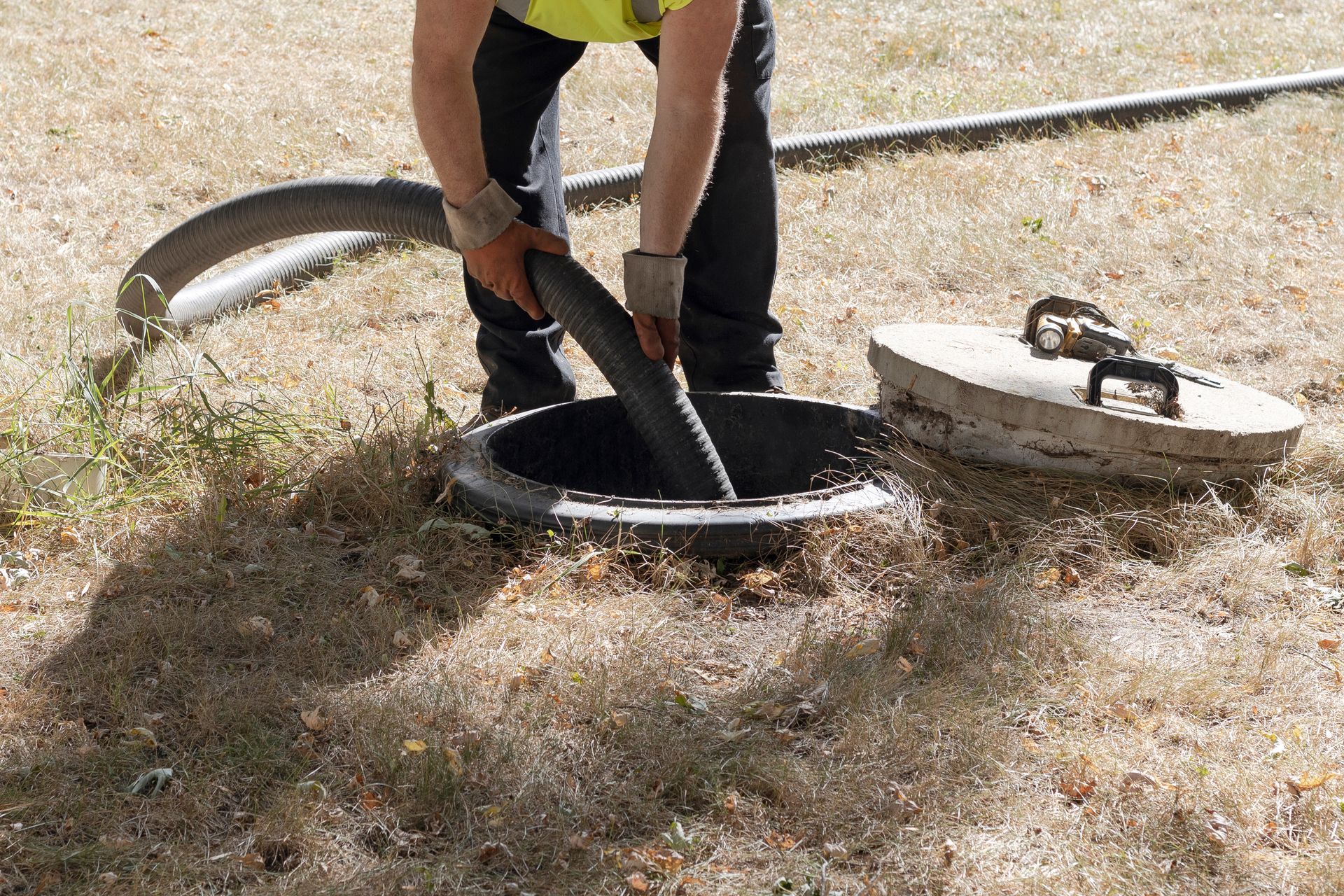
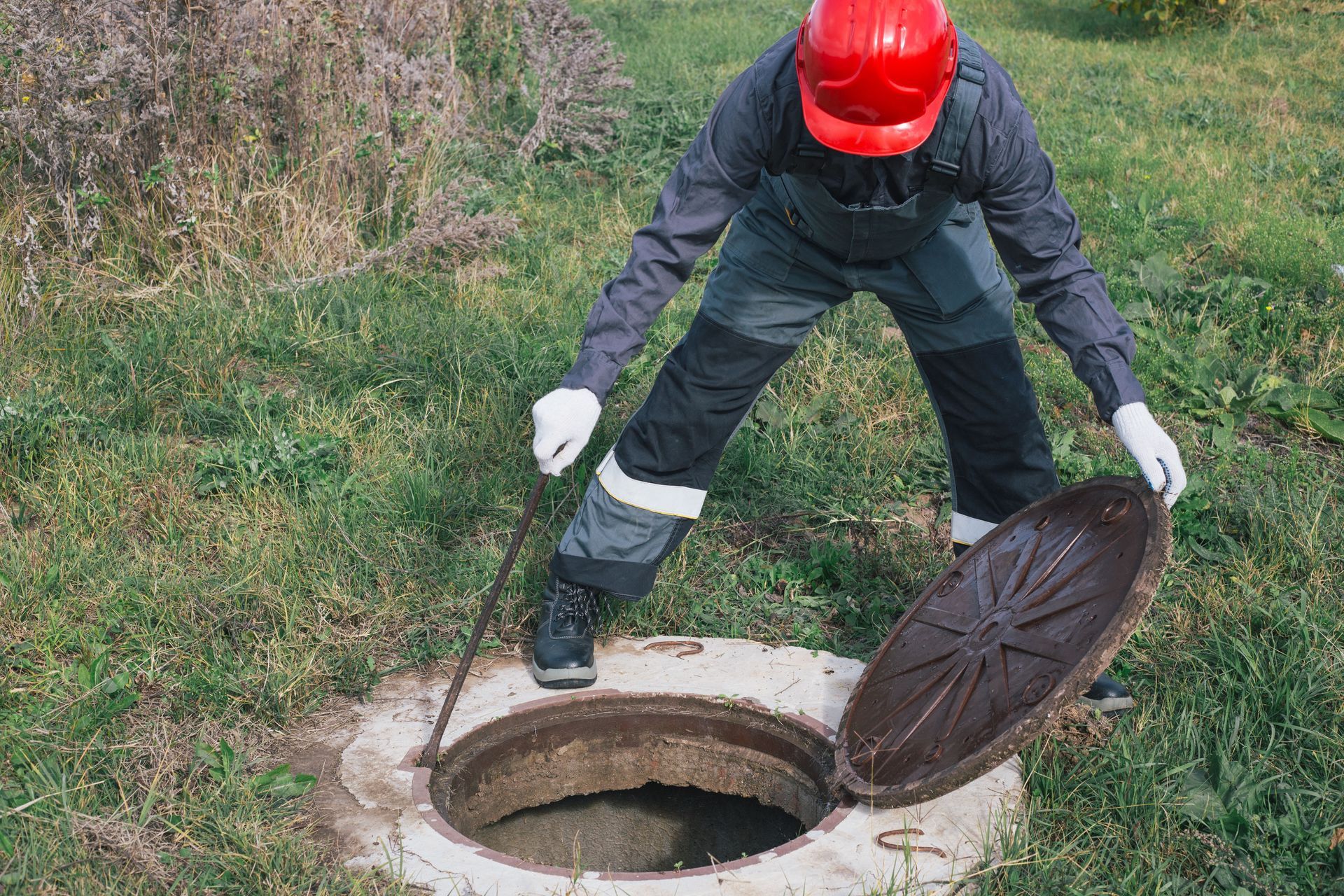
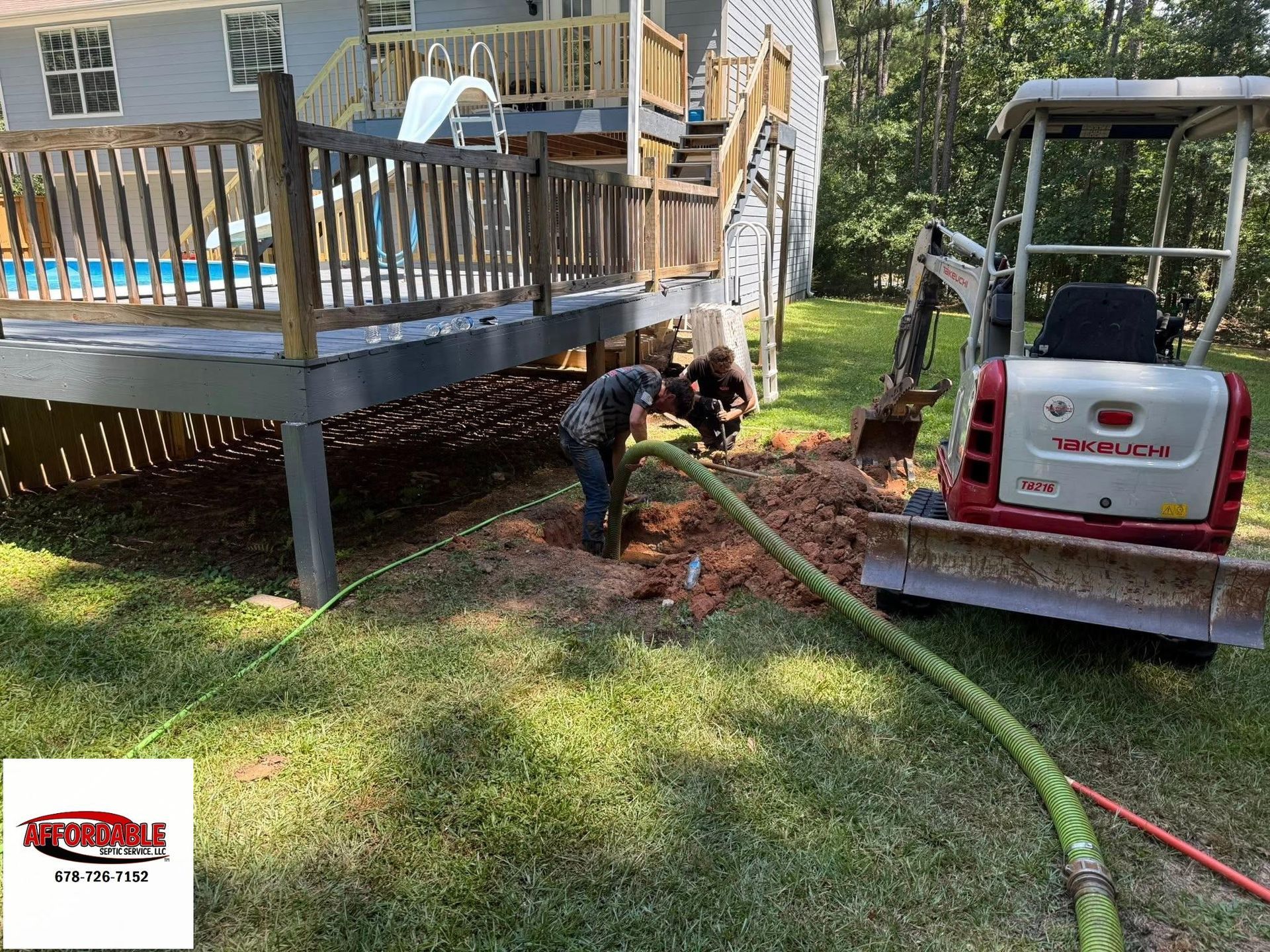
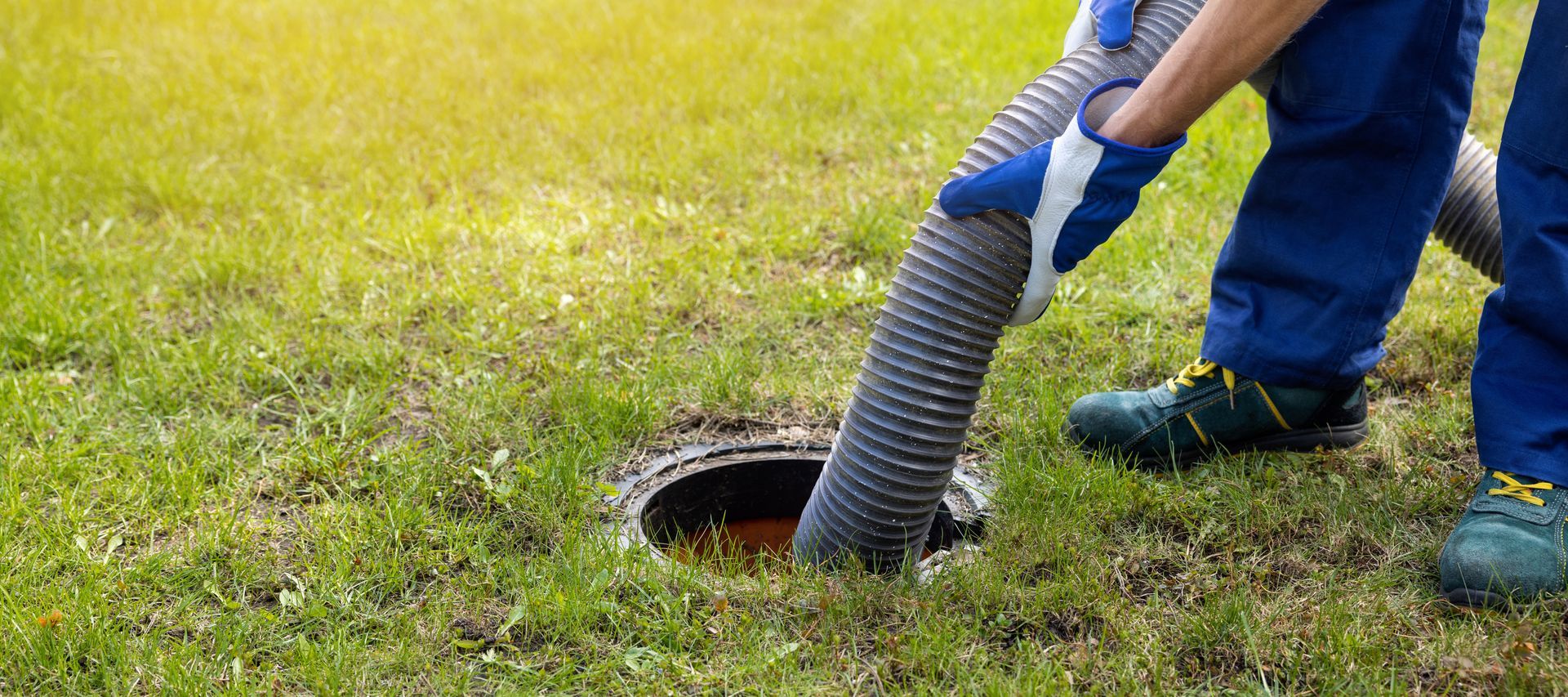
Many homeowners believe septic tank pumping is just a standard service to check off every few years. However, the reality is much more nuanced. The optimal schedule for septic tank pumping depends on a blend of household size, tank capacity, and individual usage habits. Pumping every three to five years is a general industry guideline, but it rarely fits every situation in Lawrenceville, GA.
A small family of three with a 1,000-gallon tank that practices water conservation may only need septic tank system pumping every four years. Contrast that with a large household of five or more, frequent visitors, or heavy water use. Their tanks may require attention every one to two years. Dishwashers, laundry machines, and large tubs accelerate solids accumulation, filling your tank faster than you might expect.
Factors That Affect Your Septic Tank Pumping Schedule
1. Household Size
The more people living and using water on your property, the faster your tank fills up. Bigger households produce more wastewater, which means solids accumulate sooner, making more frequent septic tank system pumping necessary.
2. Tank Size
Larger tanks can hold more waste before reaching capacity, giving homeowners with big tanks a bit more time between pumpings. Still, large households can outpace this advantage as well.
3. Water Usage Habits
Frequent laundry, long showers, and non-efficient toilets mean more water entering your septic system. Increased water usage stirs up solids, pushing them more rapidly to the drain field, which can lead to clogs and even field failure. Mindful water use slows down this process and extends intervals between septic tank pumping.
Warning Signs You Need Septic Tank System Pumping Sooner Than Expected
Even with a solid routine, signs can pop up signaling it’s time for immediate septic tank pumping. Homeowners in Lawrenceville should be watchful for:
- Slow Drains and Backups: If water drains sluggishly or backs up in sinks, tubs, or toilets, your tank could be full.
- Unpleasant Odors: Foul smells near your tank or drain field can signal a system at or past its limit.
- Standing Water: Puddles around your septic area, even during dry weather, point to system overload.
- Gurgling Pipes: Gurgling noises in your plumbing may be caused by an overfull tank blocking proper flow.
Ignoring these warnings increases the risk of wastewater backing into your home and can cause costly damage to your system and yard. Septic tank system pumping is the quickest solution to prevent disaster, so don’t delay if you see these symptoms.
Risks of Delaying Septic Tank Pumping
Waiting too long to perform septic tank pumping in Lawrenceville, GA, creates serious risks:
- Backups: When a tank is full, untreated wastewater can flow into your home, causing stress and hazardous messes.
- Drain Field Failure: Overflowing tanks saturate drain fields, compacting soil and reducing their ability to naturally treat water.
- Repairs and Replacement Costs: Delays can result in broken or saturated pipes, failing pumps, or the need for a new drain field, all of which are costly.
- Environmental Harm: Untreated sewage may seep into your yard, contaminating groundwater and nearby streams.
How Lawrenceville’s Soil and Weather Affect Your Septic System
Operating in the Lawrenceville area, we’ve seen firsthand how local conditions can alter your pumping schedule. Georgia’s clay-rich soil drains slowly, making proper septic tank pumping vital to avoid oversaturation. Heavy seasonal rainfall can flood drain fields and force untreated water back toward your house, especially if your tank is already near capacity. Homeowners in our region need to monitor usage and schedule preventive maintenance more carefully than they might elsewhere.
Preventive Maintenance vs. Emergency Service
Scheduling septic tank system pumping as preventive maintenance is always more affordable and less stressful compared to waiting for emergencies. Besides regular pumping, periodic professional inspections uncover hidden issues before they escalate. We often recommend an annual septic inspection alongside pumping based on your household’s needs. This proactive approach protects your home, extends your tank’s lifespan, and ensures your system complies with state regulations.
Responsible Homeownership: Why Expert Septic Service Matters
As a trusted local provider, we’re dedicated to keeping our community’s homes safe through reliable maintenance and honest advice. Routine septic tank pumping and system inspections by Affordable Septic Services, LLC, protect your investment and maintain your property’s value. We use our knowledge of Lawrenceville’s soil and climate to tailor our services to your specific needs.
Schedule Your Septic Tank Pumping With Local Experts Today
Affordable Septic Services, LLC is proud to serve homeowners in Lawrenceville, GA. Let us keep your septic system running safely and efficiently with our reliable septic tank pumping and professional maintenance plans. Our experience ensures your system gets the right attention at the right time, protecting your home against costly repairs and unexpected emergencies. If you’re unsure how often you need service or want to set up regular maintenance to avoid surprises, contact us now or call 404-822-4772. We’ll help you keep your septic system healthy for years to come.